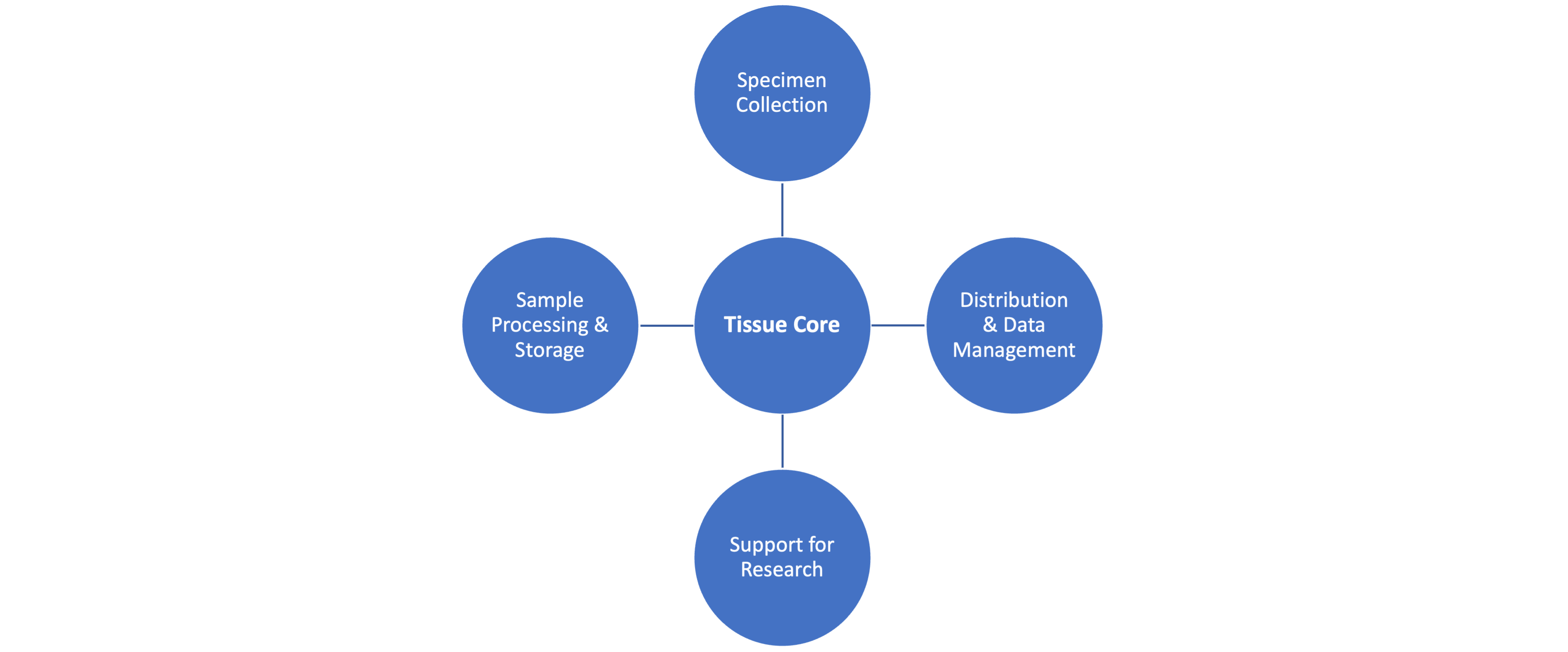


All projects in PCAC will use deidentified human specimens to study therapy resistance in pancreatic ductal adenocarcinoma (PDAC). To support this research, a Tissue Core has been established in collaboration with the University of Nebraska Medical Center (UNMC) Tissue Bank.
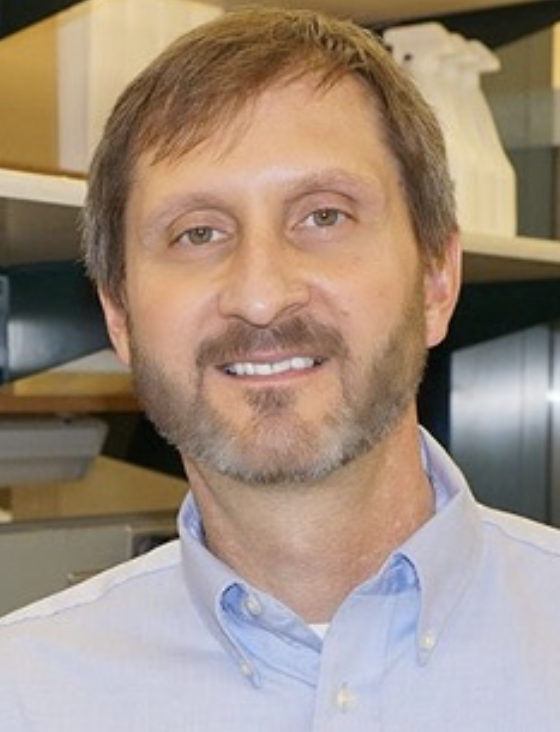
Led by Dr. Paul Grandgenett ,this core provides a centralized service for procuring, processing, and distributing biological specimens and associated clinical data. The Rapid Autopsy Program (RAP) core facility stores various pancreatic tissues (normal, benign, malignant) and biofluids from patients with pancreatic cancer, including those from surgical procedures and rapid autopsies. It also collects tissues from non-cancer donors in collaboration with local organ procurement agencies.
The RAP biorepository works closely with surgery, oncology, and UNMC patient monitoring programs to build comprehensive collections of tissue and biofluid samples. The archived samples from the RAP program are crucial for investigating acquired resistance in PDAC and are a valuable UNMC resource.
The Tissue Core also offers resources like tissue microarrays (TMAs), donor sample sequence analysis, and fresh tissue acquisition, all managed through a database system (Freezerworks) and overseen by the Tissue Bank Oversight Committee.
This core facility supports ARTNet research and other translational studies within and outside UNMC. Only specimens from clinically indicated surgeries, which would otherwise be discarded, are submitted to the UNMC ARTNet tissue bank for research. Participation is voluntary, requiring written informed consent, with no risk or impact on patient care.